In an era defined by digital transformation, the advertising landscape is evolving quickly. Traditional out-of-home still matters, but Digital Out-of-Home (DOOH) is redefining how brands connect with audiences in real time.
DOOH uses digital screens in high-traffic environments such as roadsides, malls, transit hubs, and airports. These placements allow content updates, scheduling, and contextual messaging without changing physical media manually.
DOOH technology explained
Unlike static billboards, DOOH is dynamic and adaptive. Advertisers can:
- Update creative remotely
- Trigger content by time, weather, or location
- Run more targeted campaign flights
- Add interactivity through QR and mobile extensions
The evolution of OOH
Out-of-home started with static billboards and long lead times.
DOOH introduced real-time flexibility, transforming outdoor media into a living communication channel.
Today, screens are no longer passive placements. They can be optimized around context, audience flow, and campaign objectives.
Dynamic content and real-time engagement
One of DOOH's core strengths is responsive content delivery.
A campaign can show different messages in the morning rush, lunch period, and evening commute.
Brands can also adapt content based on live conditions, creating relevance that static formats cannot achieve.
Transit advertising in the digital age
Transit remains one of the strongest DOOH environments because it reaches audiences while they are moving.
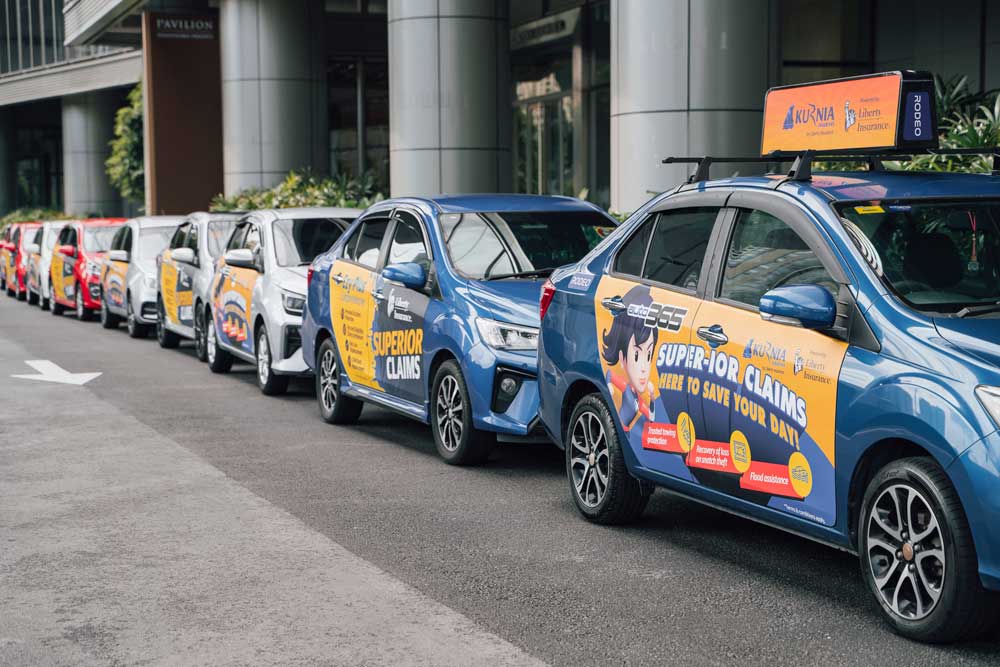
Buses, stations, ride-sharing ecosystems, and transport interchanges create repeated exposure windows across the day.
This makes transit DOOH a practical way to build frequency and awareness at scale.
DOOH and smart cities
As cities become more connected, DOOH plays a wider urban role.
Screens can support public communication, alerts, and civic messaging while still delivering brand campaigns.
This dual role makes DOOH part of the broader smart-city infrastructure.
What comes next
The future of DOOH is shaped by AI, automation, and better data infrastructure:
- AI-driven content optimization
- More precise audience targeting
- Stronger integration with mobility and city data
- Faster campaign iteration cycles
DOOH is not just an upgrade to outdoor advertising. It is a shift toward adaptive, measurable media built for modern urban behavior.